How to Choose the Right Pipe Relining Material for Your Home
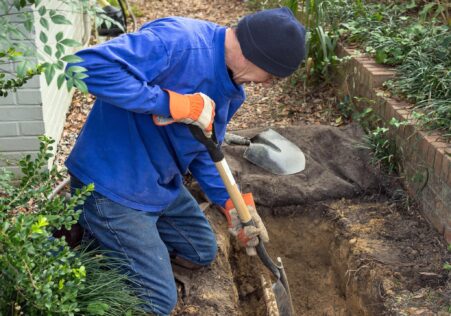
Maintaining your plumbing in good shape is crucial but the pipes could become worn-out with time. The most common method for replacing them is digging through and taking out the old pipes, which could be messy and expensive. Luckily, pipe relining offers a more cost-effective and convenient option.
Key Takeaways
- Pipe relining can be a cost-effective alternative to traditional pipe replacement methods
- The selection of the best pipe relining material is crucial for effectiveness and longevity
- Things to consider when selecting pipe relining materials are environment, flow capacity along with durability, cost, and maintenance
- Types of pipe relining materials include Cured-in Place-Pipe (CIPP), Fiberglass Pipe Lining, and Cast Iron Pipe Lining.
- Relining pipes makes a "pipe within a pipe" which allows you to restore full functionality without the removal of the existing pipes.
However, with the variety of materials for pipe relining, it’s crucial to choose the most appropriate one. This guide will assist you in understanding what you need to think about when choosing the right pipe relining material that is suitable for your needs and budget.
What exactly is Pipe Relining?
Before we begin to discuss the process of selecting the correct pipe liner, let’s go over what it is.
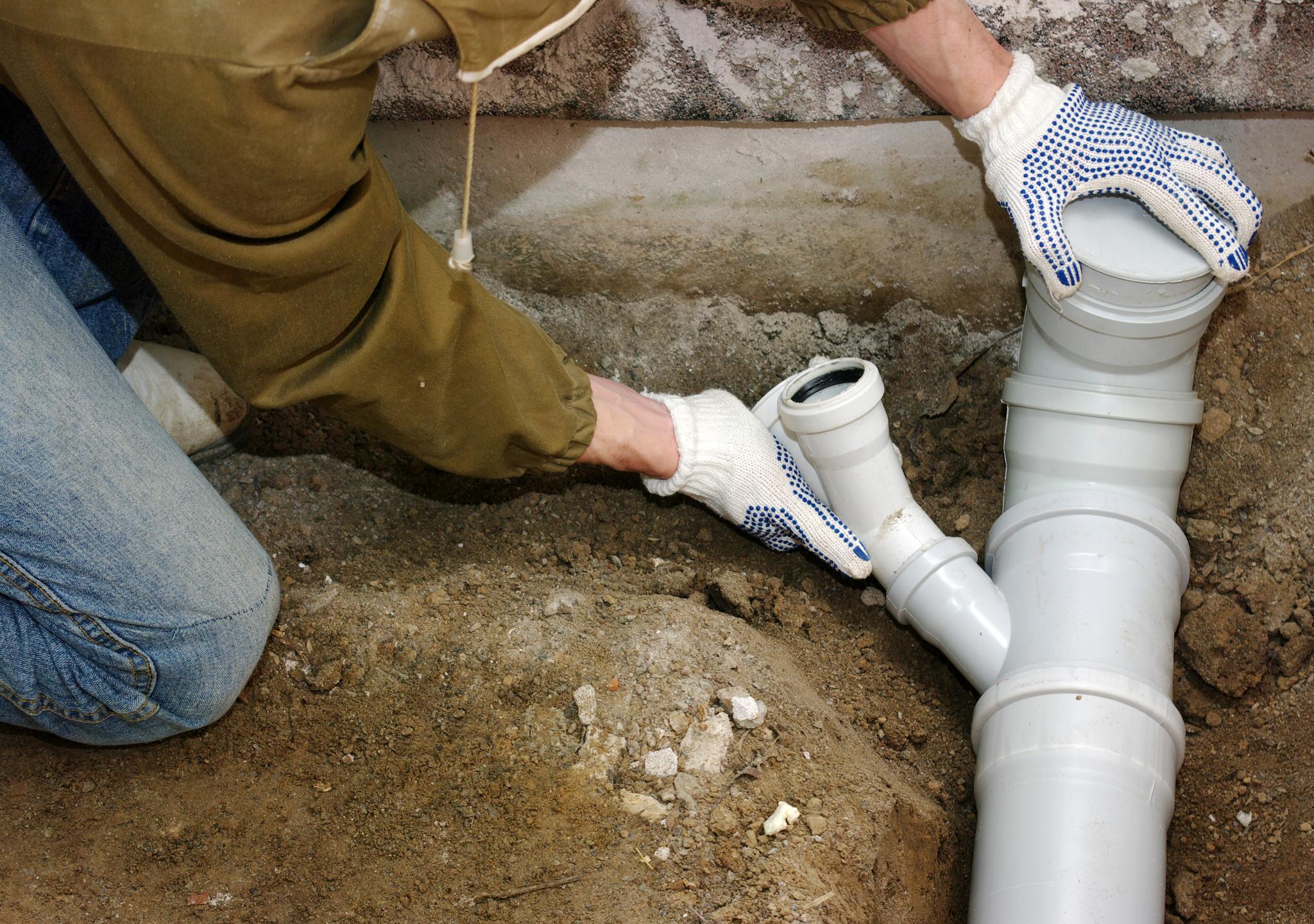
Pipe relining is a procedure which involves inserting an epoxy liner inside damaged or degraded sewer lines water mains or any other underground pipe system, thereby preventing the root from infiltrating and leaking. It basically creates a brand new "pipe within a pipe" that allows for the restoration of full functionality without requiring the elimination of existing pipes.
The benefits of relining pipe include:
- Minimizes excavation works
- Reduces costs that are associated with traditional methods
- It’s less messy than excavation
Although there are numerous benefits when it comes to lining, selecting the proper material to line your home is vital when it comes to efficiency and longevity.
Considerations When Choosing Pipe Relining Materials
- Environment: One of the essential things that you must take into consideration when choosing the material for your pipe liner should be the environment. The external conditions determine the strength of the liner will be free of impacts such as chemicals or humid conditions, among other.
- Capacity for Flow: The term "flow capacity" could refer to the amount of liquid that flows smoothly across your plumbing when you install new lines.
- Durability The measure of durability is how long it will last against harsh environments such as excessive humidity, chemicals and other extreme conditions.
Costs
Additional Information
- Drains 101: Essential Tips for Keeping Your Pipes in Good Condition
- Effective Ways to Clear a Clogged Shower Drain Naturally
- Demystifying In-Depth Walkthrough to the Pipe Relining Process: All You Can Expect
- Preventing Clogs and Blockages: Best Practices for Maintaining Your Drains
- Ensuring the Longevity of Your Business's Pipes with Regular Drain Inspections
- The Ultimate Guide to Choosing Between Pipe Relining and Pipe Replacement
- The Importance of CCTV Drain Inspection in Commercial Properties
- Why CCTV Drain Inspection is a Cost-Effective Solution for Your Plumbing Needs
- Understanding CCTV Drain Inspection and the Benefits for Your Home
- Saving Time and Money with CCTV Drain Inspection for Drain Clearing