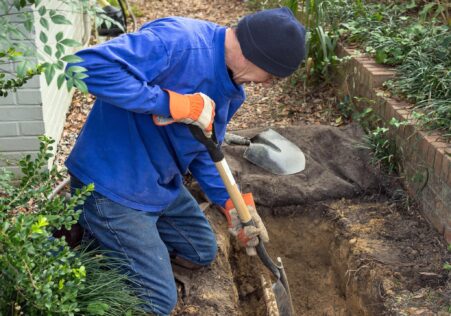
How Often Should You Schedule CCTV Drain Inspections?
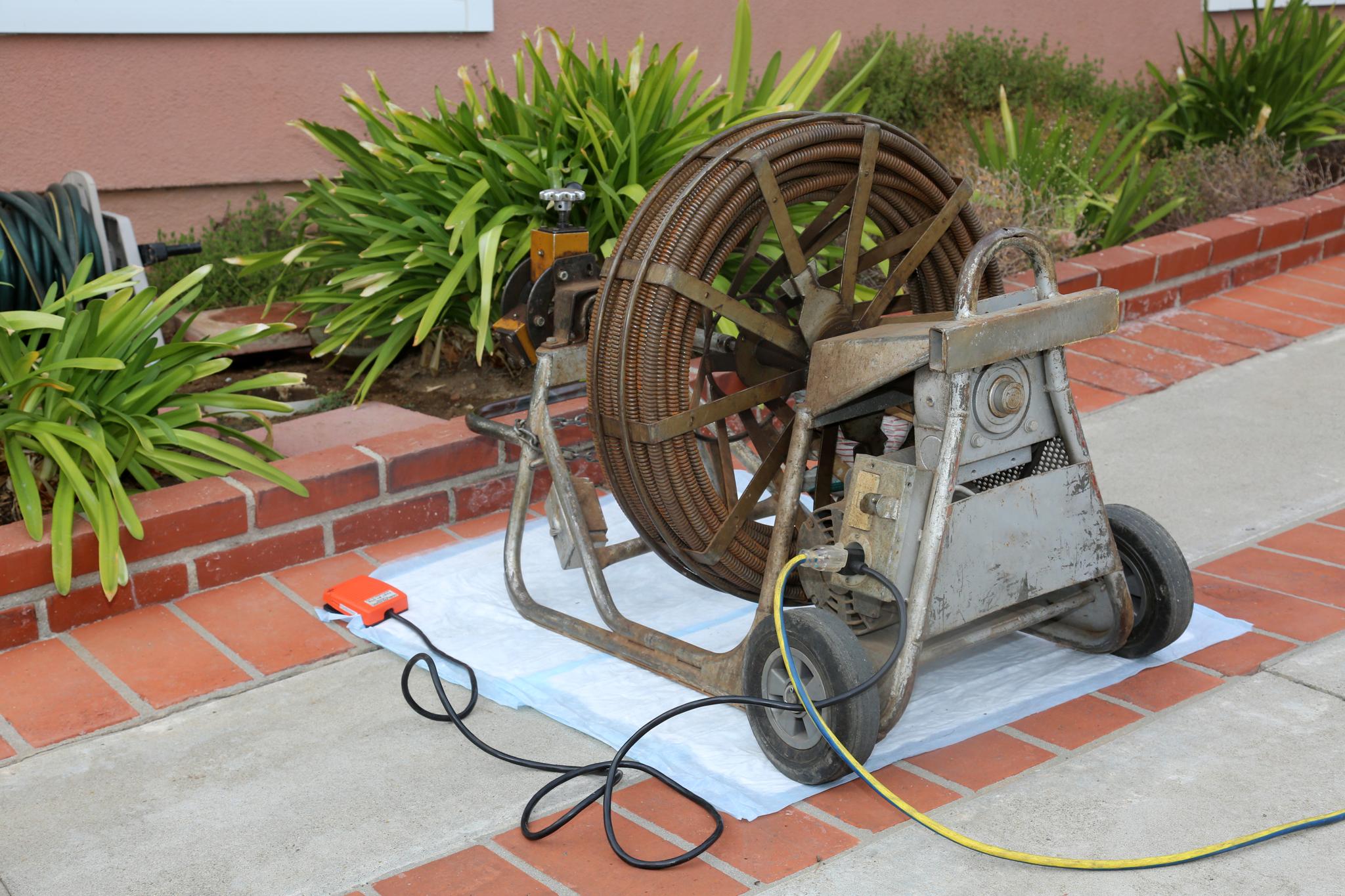
As homeowners, it’s essential to avoid clogged drains and ensure that wastewater leaves your property efficiently. For this, you may have to make time for CCTV drain inspections every few months. CCTV drain inspections are a non-destructive method of looking into what’s blocking your pipes and pinpointing where the issue is.
Key Takeaways
- CCTV drain inspections offer a non-destructive approach to determining the obstructions in your pipes.
- Regularly scheduled maintenance on your CCTV can make a huge difference in keeping your sewer functioning correctly and frustration-free throughout the year.
- Single-family homes are able to do well maintaining them every three years.
- Commercial buildings and multi-family structures require regular annual (or semi-annually) servicing, depending on the building’s age as well as its size for each building or complex controlled.
- The signs that you require an inspection include sinks that take longer than usual to drain, foul aromas coming from drains and in the sewer lines, the water backing out of sinks when you use another plumbing fixture in the same room or in the yard near the sewer line. Also, there are gurgling sounds coming from the pipes that connect out.
- The benefits of routine CCTV drain inspections include detecting potential root growth which could cause more severe busts, and identifying signs of rust or degrade, and catching partial blockages/possible full blockage site markers.
If you’re asking how often you need to plan CCTV inspections of your sewer line, stay here because we’re about provide the answer to your question.
CCTV Drain Inspections Overview
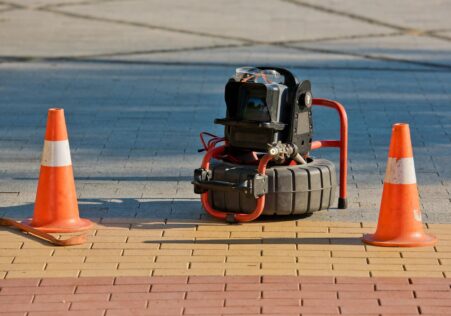
CCTV drain inspections involve inserting the cable long enough to be fitted with a camera in the sewer line via the access points. The camera captures images of all pipes providing plumbers and homeowners with real-time images on their drain lines’ conditions.
When conducting a CCTV inspection, expect that the plumber to look out to look for tree roots, corrosion inside pipes, structural damage or foreign objects stuck within the pipeline. If they find any issue they’ll be able identify the exact spot and devise a plan on how to address it efficiently.
When is the best time to schedule your First Inspection?
When moving into a new home with outdated plumbing or homes more than ten years old that have no previous maintenance history, obtaining your first plumbing inspection should be done immediately. However, if you find no indication of trouble from the slow draining of your plumbing or water backups that happen in various areas of your house all at once, then follow these recommendations:
- Single-family homes can be successful in maintaining every three years
- A more frequently cleaning (1-2 years at intervals) is recommended when the property are home to several trees in close proximity.
- Commercial buildings or multi-family complexes require routine annually (if they are not scheduled semi-annually) maintenance based on variables such as the age of the building and the amount of space each building/complex that is managed.
It’s essential to adopt preventative measures to ensure the plumbing functions effectively, and not to be prone to firefighting problems once they manifest into something worse or more costly repairs needed.
Things to Consider Before You Plan a CCTV Inspection Now
As as a general rule If you notice that your sinks are taking longer than normal to drain, then it’s time to examine your drains. Other indicators of that you need to have an inspection are:
- Foul smells emanating from your sewer line or drains.
- The water is leaking from the sink when using additional plumbing fixtures within the same space.
- The yard is flooding due to the proximity of sewer lines.
- There is a sound of gurgling coming from pipes that lead to the to the outside.
It’s important to keep in mind that not all clogs cause blockages. Some are more gradual and won’t completely hinder the flow of water, but they will eventually cause irreparable damage.
Benefits of Regular CCTV Drain Inspections
The cost of preventative maintenance can be lower than pulling out built-up materials or dealing with the possibility of a pipeline breaking. It’s best to not wait until there’s obvious damage before taking steps, and this can result in costly emergency calls, or even damage to property damage.
By performing regular inspections, homeowners could potentially save hundreds of dollars by recognizing problems early and treating those concerns rather than not addressing them until they become dangerous later. Furthermore, routine inspections help reduce indoor air pollution, as well as potential health hazards due to corrosion in pipes and can also help to prevent the spread of germs and viruses.
Some of the benefits of scheduling routine CCTV inspections are:
- Detecting possible root growth which could result in more severe busts
- Identifying the signs of degrading & the signs of rust
- Catches partial blockages/possible full blockage site’ markers’
To summarize:
Given how quickly blocked sewage lines can cause disruption to our daily life, it’s worthwhile taking note of how regular maintenance of CCTV can go a long distance in ensuring that we are not frustrated all through the year. The development and implementation of routine preventative measures can contribute positively toward achieving no disruption settlements on property.
| Frequency | Property Type |
|---|---|
| Every 3 years | Single-family homes |
| 1-2 year intervals | Properties with several tree species growing nearby |
| Annually (if not semi-annually) | Multi-family complexes or commercial buildings |
Italicized the company name.
Common Questions and Answers
How often do CCTV Drain inspections occur?
It is recommended that you schedule a CCTV drain check at least every two years even if there is no obvious evidence of damage or blockage in the drain system.
What are the signs to tell if it’s the right the right time to arrange the CCTV Drain inspection?
Signs of slow drains are visible, such as slow drains, the sound of gurgling through the system of drainage, and odors that smell foul coming from drains. Other indicators include frequent flooding of sewage, areas with water on the lawn, as well as sinking areas in paved surfaces that are above pipes.
Are there other benefits of conducting routine CCTV drain checks?
Yes, making sure to schedule regularly scheduled CCTV drain inspections will ensure early detection of potential problems before they escalate into expensive repairs. It also assists in identifying areas within your drainage system that require further clean-up or maintenance.
How long does a CCTV drain inspection last?
The time required for an CCTV drain inspection is contingent on the size of the house and complexity of drainage systems. A typical residential property can take between one and two hours conduct a thorough inspection.
Do I get a report after an inspection with CCTV drain inspection?
Yes, you will be provided with a full report that details any issues that are discovered during the inspection. The report contains images and videos that were taken during the inspection as as recommendations on how to deal with any issues discovered in your drainage system.
Please don’t hesitate to contact Perth Blocked Drains Plumbing when you need our assistance; our skilled plumbers are waiting to assist you.
Additional Information
- Preventing Clogs and Blockages: Best Practices for Maintaining Your Drains
- Save Money with These Simple Drain Maintenance Techniques
- Saving Time and Money with CCTV Drain Inspection for Drain Clearing
- The Importance of CCTV Drain Inspection in Commercial Properties
- Securing Your Plumbing with Inspecting Drains with CCTV for Problem Avoidance
- A Beginner's Guide to CCTV Drain Inspection: The Mechanism
- The Ultimate Checklist for a Smooth-flowing CCTV Drain Inspection Experience
- Ensuring the Longevity of Your Business's Pipes with Regular Drain Inspections
- CCTV Drain Inspection vs. Traditional Methods: Which is Right for Your Business?
- The Ultimate Guide to Drain Clearing Services